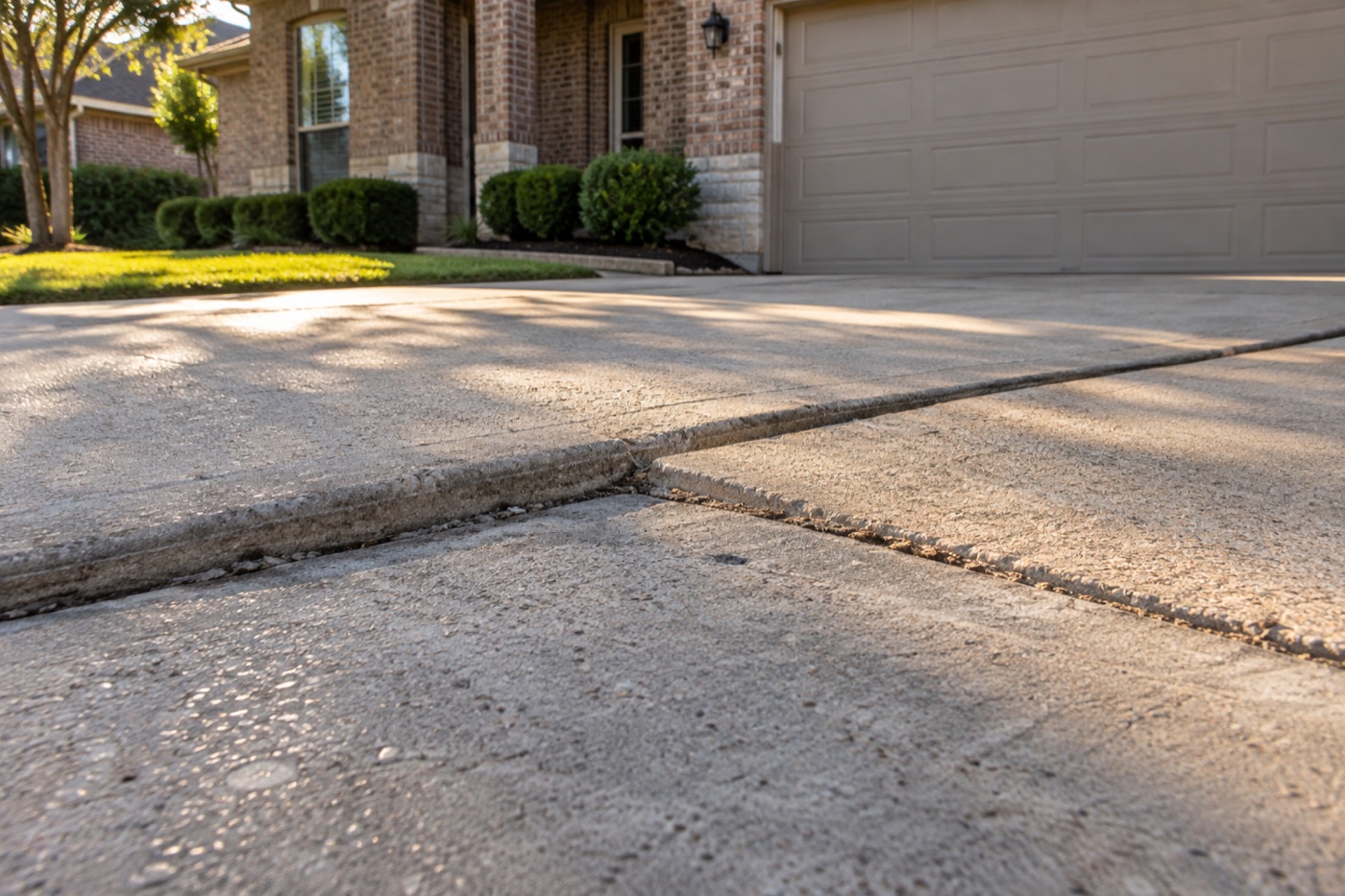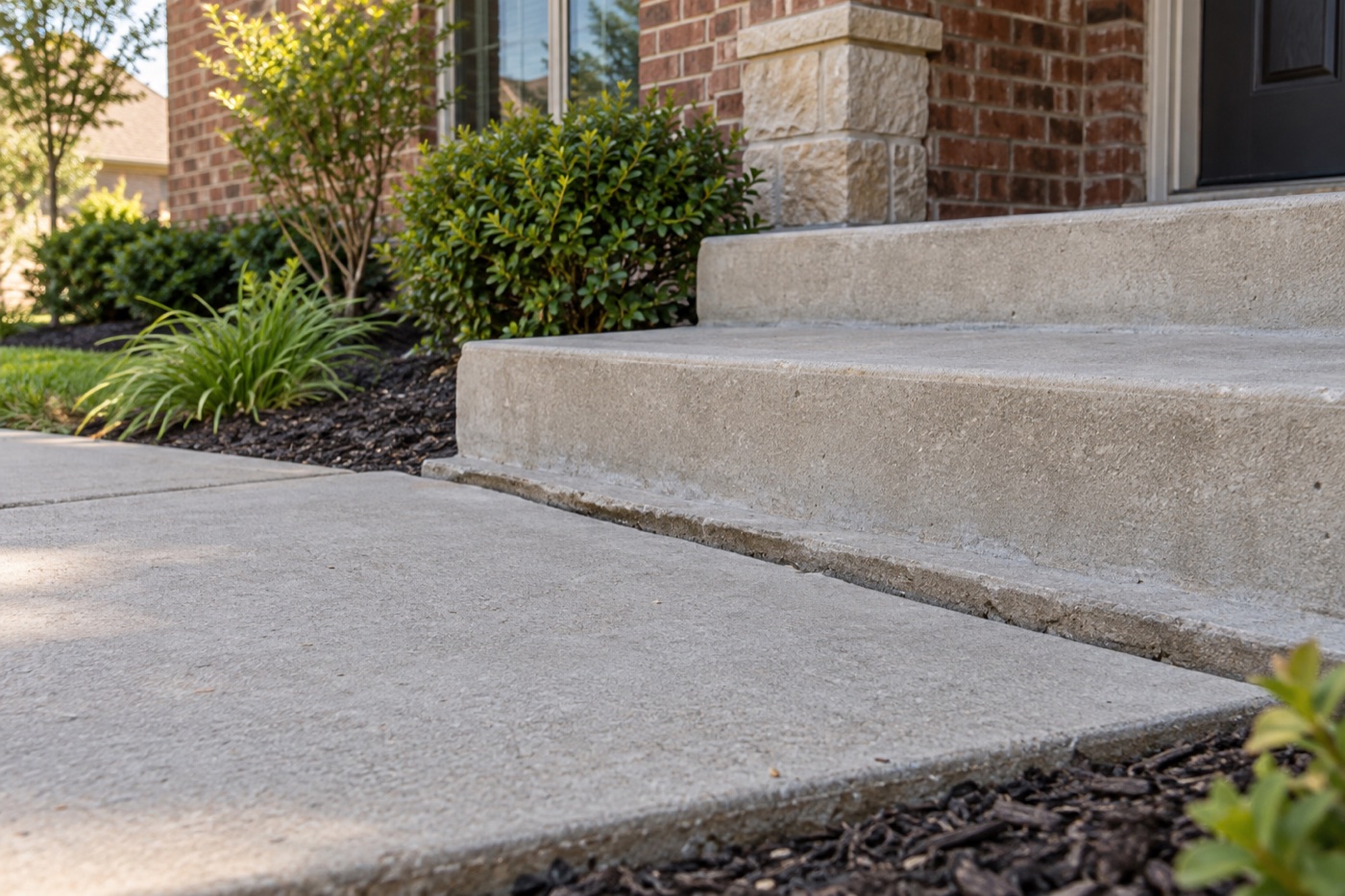
Trailers or forklifts hit an abrupt transition
COMMERCIAL CONCRETE LEVELING
Loading Dock and Apron Leveling
Improve settled dock approaches, exterior aprons, and transitions used by trailers and material-handling equipment.
WHAT TO LOOK FOR
Signs the slab deserves a closer look.
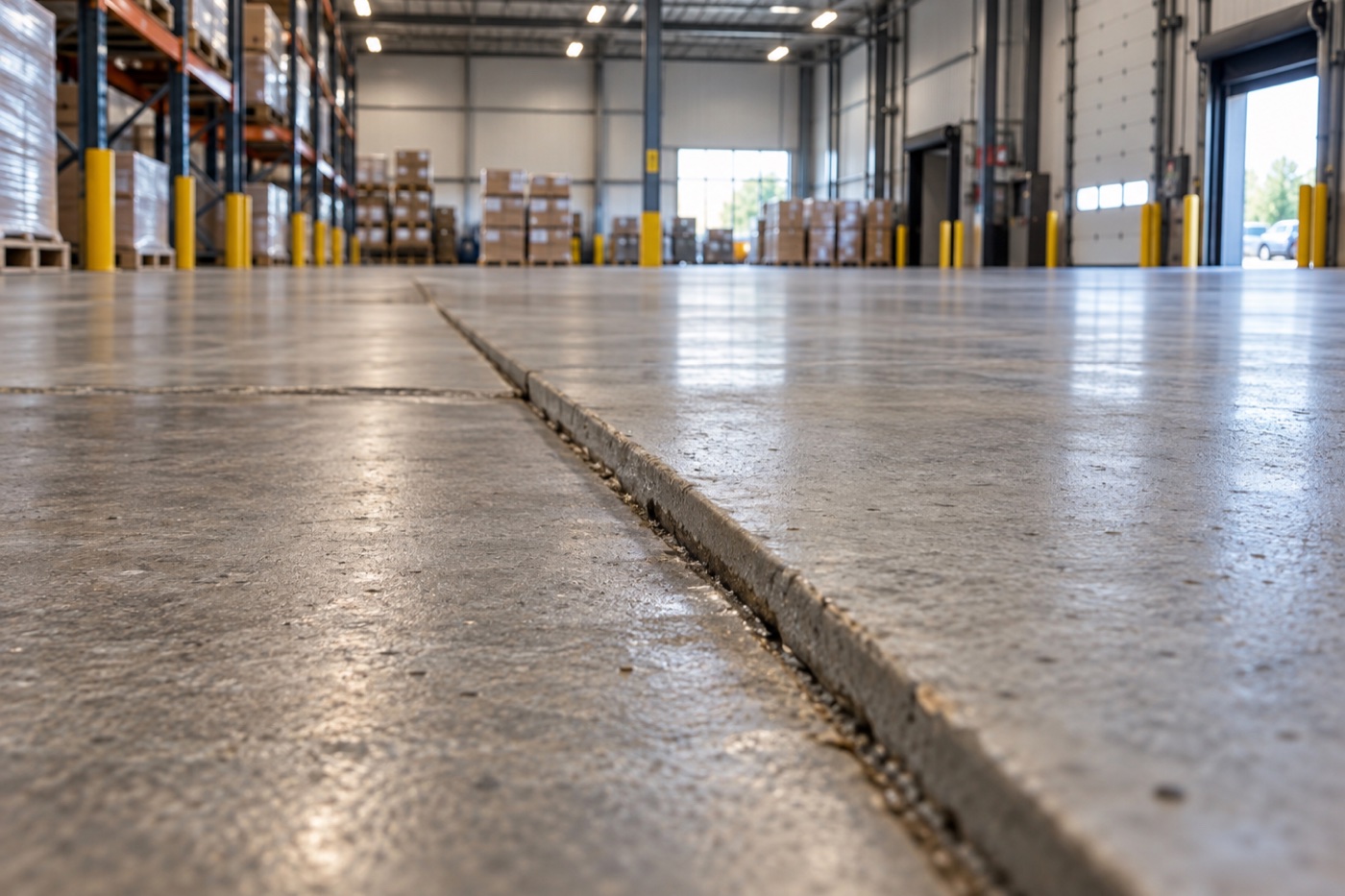
Dock areas combine heavy loads with fixed slab heights. Drains and tight operating schedules add constraints. Settlement at the apron or dock transition can slow loading and create hard impacts. It can also disrupt the path between trailer and building.
A dock apron slopes away from its intended drain
Panel edges move under wheel loads
Settlement appears near a dock wall or trench drain
WHY IT MOVES
Start below the surface.
Concrete usually settles because the support below it changed. North Texas moisture swings and drainage can both play a part. So can disturbed fill.
Heavy repeated loading
Wheel loads and trailer traffic can reveal weak support at joints and slab edges.
Backfill beside structures
Material placed near dock walls and foundations may settle differently from undisturbed soil.
Drainage and trench systems
Water and utility corridors can create weak or washed-out zones below the approach.
THE REPAIR PLAN
How we approach this surface.
Set the critical heights
Dock walls and levelers define what can move. Drains and doors matter too, as does the interior floor.
Plan around logistics
The work zone, trailer schedule, alternate bays, and reopening sequence are coordinated.
Lift and support the approach
Suitable panels are adjusted in stages with checks at every fixed transition.
IS LIFTING A FIT?
Keep the concrete when the concrete is worth keeping.
An estimate should separate settlement from slab failure and explain the limits before work begins.
LIFTING MAY FIT
Look for sound, movable concrete.
- A localized intact apron or approach has settled
- Fixed dock heights permit the required movement
- The work area can be isolated during repair
CONSIDER ANOTHER REPAIR
Some conditions need replacement or more investigation.
- The dock structure or wall is moving
- The slab section is damaged by loads beyond its design
- The approach needs a new profile, reinforcement, or drainage system
COMMON QUESTIONS
Questions about loading docks & aprons.
NORTH TEXAS SERVICE
Show us what the slab is doing.
Send the surface and city or ZIP code. Tell us what you are noticing. We'll start with fit and availability.
RELATED SERVICES